
How to Find a Gaming Community You’ll Love
Gaming has always been about more than the game. Whether you’re rolling dice around a kitchen table, logging on for a late-night raid or shuffling decks at a local cafe, the moments that stay with you tend to be shared ones.
Community is often what turns a hobby into something long-lasting, offering people the chance to learn, laugh and occasionally lose with others.
Why Gaming is Such a Welcoming Hobby
Gaming feels so welcoming because of its sheer range. Card games, board games, tabletop roleplaying games, video games, and even hybrid formats all offer different ways to play and connect with others.
This variety is exciting, but it can also make it complicated to know where to start – especially if you are looking for people to play with, rather than just a game for entertainment. If you’re searching for a group that fits your interests, schedule and personality, you’re not alone, as many are searching for that sense of belonging but are unsure how to find it.
We’ve put together a guide to provide you with a practical starting point to help you connect, explore and possibly even build a gaming community that you genuinely enjoy being a part of.
Defining Your Gaming Community Needs
Before you rush into joining servers or turning up to events, it helps to pause and think about what you actually want from a gaming community. Not every option is right for every player, and that’s perfectly fine – being clear about your preferences makes it much easier to find a group that feels both comfortable and rewarding.
The Type of Game
What do you actually want to play?
Some people are happiest on PC or console, diving into competitive shooters, sprawling RPGs or indie titles. In contrast, others prefer the tactile feel of tabletop gaming – whether that’s a complex board game, a card game or a long-running tabletop roleplaying campaign.
There’s no wrong answer, but your answer does matter. Communities tend to form around formats as much as titles. A group that meets weekly for board games will feel very different from an online clan built around one single video game. Knowing what you’re looking for can narrow your search from the start.
The Vibe
Once you know what you want to play, think about how you want to play it.
Some communities thrive on competition by tracking rankings, practising strategies and enjoying the thrill of pushing their skills. Others are much more relaxed and focus on social play, shared stories and low-pressure fun. Many sit somewhere in the middle, offering friendly competition without taking things too seriously.
What energises you? Do you enjoy testing yourself, or are you looking for a welcoming space to unwind after a long day? The vibe of a community has a huge impact on whether you’ll stick around.
The Commitment
Time can often be a deciding factor. Some gaming communities expect regular attendance and long sessions, particularly when involving campaigns, leagues or organised teams. Others are built around shorter, more flexible meet-ups where attendees can drop in or out.
Understanding what realistically fits into your life and other commitments can help to avoid frustration both for you and those you play with.
The Connection
Finally, consider who you want to connect with.
Some players actively seek groups with similar life stages. Parents may be looking for an understanding of schedules, while older players may prefer a calmer environment. Teens and younger adults may prefer faster-paced, more spontaneous communities.
Shared experiences make it easier to bond when the group is new. Find a space where you feel comfortable being yourself and where the group dynamic makes sense.
Online Gaming Communities
Online communities are often the easiest place to get started, as they are accessible, varied and allow you to explore different groups without a big commitment. Many connections begin directly within games – friend requests after a good match, conversations during sessions, or repeated encounters in lobbies can all naturally lead to long-term friendships. If you enjoy gaming with someone, a simple message can go a long way.
Discord has become a central hub for gaming communities, with servers dedicated to specific games, genres, play styles and regions. Some are huge, busy and always bustling, while others are small and close-knit. Social media can also play a role, as subreddits, official game forums and community Facebook groups can help you to discover clans, raid teams and organised groups.
Many games traditionally played in person now also have strong online communities. Tabletop roleplaying games like Dungeons & Dragons or Call of Cthulhu are regularly played online using platforms like Roll20, D&D Beyond, and other virtual tabletops. These tools make it possible to join campaigns regardless of location, opening up far more options than local play alone.
In-Person Gaming Communities
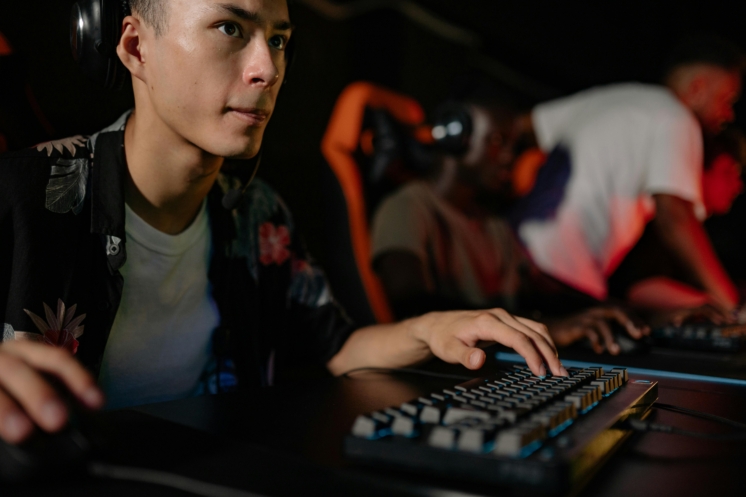
For many people, nothing quite replaces playing face-to-face. In-person communities offer a different kind of connection, built around shared space and real-world interaction. And of course, there’s not much stopping groups from playing online games in the same space either.
Local game stores are often at the heart of these communities. Independent shops frequently host tournaments, casual play nights and introductory sessions for new players. Even if you want to scope things out before joining, visiting and chatting with staff can give you a sense of what is available nearby.
Gaming cafes are another growing option, as these spaces combine food, drink and play – making them an ideal space for social gaming. Many will run regular events or allow groups to book tables. It’s also increasingly common for typical cafes and bars to host game nights, and these relaxed environments can make joining a community less intimidating.
Conventions are also worth considering, as they bring together players from a variety of backgrounds and often provide areas designed for meeting new people. Even attending just once could help you to discover communities you wouldn’t find otherwise.
Starting Your Own Community
If you can’t find what you’re looking for, there are other options – you could create your own!
Starting your own gaming community might sound daunting, but it often begins with something small. An online clan, a one-off session, or a casual games night can naturally grow over time.
Online, this could mean setting up a Discord server and inviting a few like-minded players. In person, it might involve speaking to a local venue about hosting a regular event or inviting people you already know to try a new game.
Sometimes the most straightforward approach works best. Ask friends, colleagues or family members if they would be interested in playing can uncover hidden gamers you never knew were there. A casual suggestion can be the start of something regular.
Games That Lend Themselves to Community Building
Some games naturally encourage connection and long-term play. If community is your primary goal, these can be great places to start.
Online
MMORPGs are built around shared worlds and ongoing co-operation. Games like World of Warcraft, Old School Runescape and Elder Scrolls Online all support clans, guilds, group activities and social hubs that make meeting people part of the experience.
Virtual Table Tops can also shine here, and playing regularly with the same group builds strong bonds over time as stories and characters develop alongside personal connections.
Discord communities focused on specific genres or playstyles can also be incredibly helpful if you’re unsure where to begin, acting as gateways to more focused groups.
Table-Top Roleplaying Games
Tabletop roleplaying games are inherently social. Dungeons & Dragons, Call of Cthulhu, Shadowrun, Vampire: The Masquerade, Pathfinder, and more all rely on collaboration, imagination, and trust between players.
Campaigns for these games can often run for months or even years, allowing groups to become very close. TTRPGs are ideal for players seeking a deeper connection.
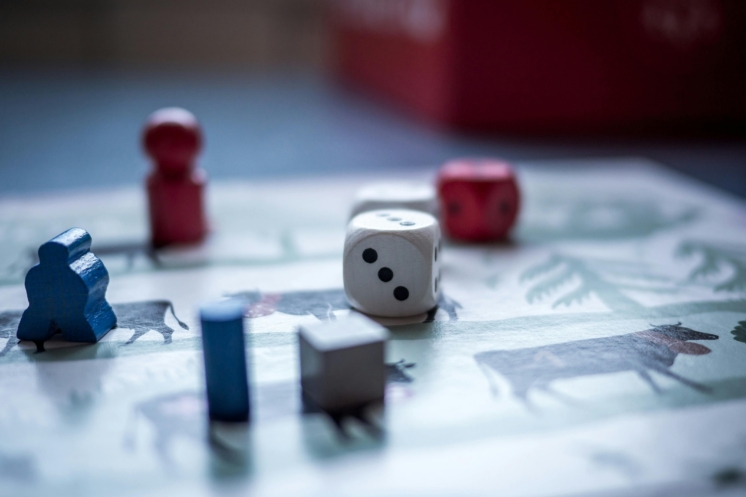
Board Games
Co-operative games are great for community building as they encourage players to work together rather than compete directly. Communication-based games and settlement-building games also promote discussion, shared decision-making and teamwork.
These formats are welcoming to a range of experience levels, making them great for growing groups.
Card Games
Strategy card games offer a balance of competition and flexibility. They can be played lightly, rotated between different titles, or built into regular meet-ups.
Games like Cursed Tides, Punchy Kicky and Sneaky Goose work well in in-person groups, offering structure or the chance to switch between games throughout the night.
Finding a Community is Down to You
Finding a gaming community often comes down to just taking a first step. Sending a friend request, starting a conversation, or suggesting a session can feel awkward, but most people are quietly hoping that someone else will do it.
Give yourself permission to try and see how you mesh with different groups. If the vibe isn’t right, or you don’t gel, it’s okay to move on – it’s just part of the process.
You can always create your own community, too – many of the best started with just one person deciding to invite others to play.
Wholesale Card Games for Communal Play
Communal card games thrive on a straightforward idea: people playing together. From regular games nights to casual meet-ups and organised community sessions, these are the kinds of games that help groups form, grow and keep coming back.
Our best-selling titles are designed with shared play in mind, are easy to pick up and welcoming to new players – making them a natural fit for clubs, social spaces and gaming communities. Independent game stores, cafés, community venues and online shops can confidently recommend them to customers looking to build or support group play.
If you are looking to stock card games that encourage interaction and help communities take shape, get in touch with us to discuss product availability, pricing and order options.

First Published: December 2025
Last Edited: January 2026